
Posts Tagged ‘grain’
Why do I mill grains at home? Part #2
If you already read Part One of this tip, then you may or may not have peaked the curiosity of former nay-sayers. You may still need more explanation for why you are thinking of or currently milling at home. After all, inquiring minds want to know.
The second tip to answering the questions of why you bother to mill at home is the benefits of cost and storage. Sure, we can buy ‘whole wheat bread’ at the store. Sure, ‘dead bagged flour’ lasts for a good while. Are these reasons to dismiss home milling all together? Hardly! In fact, look closer and you can see why milling at home is better.
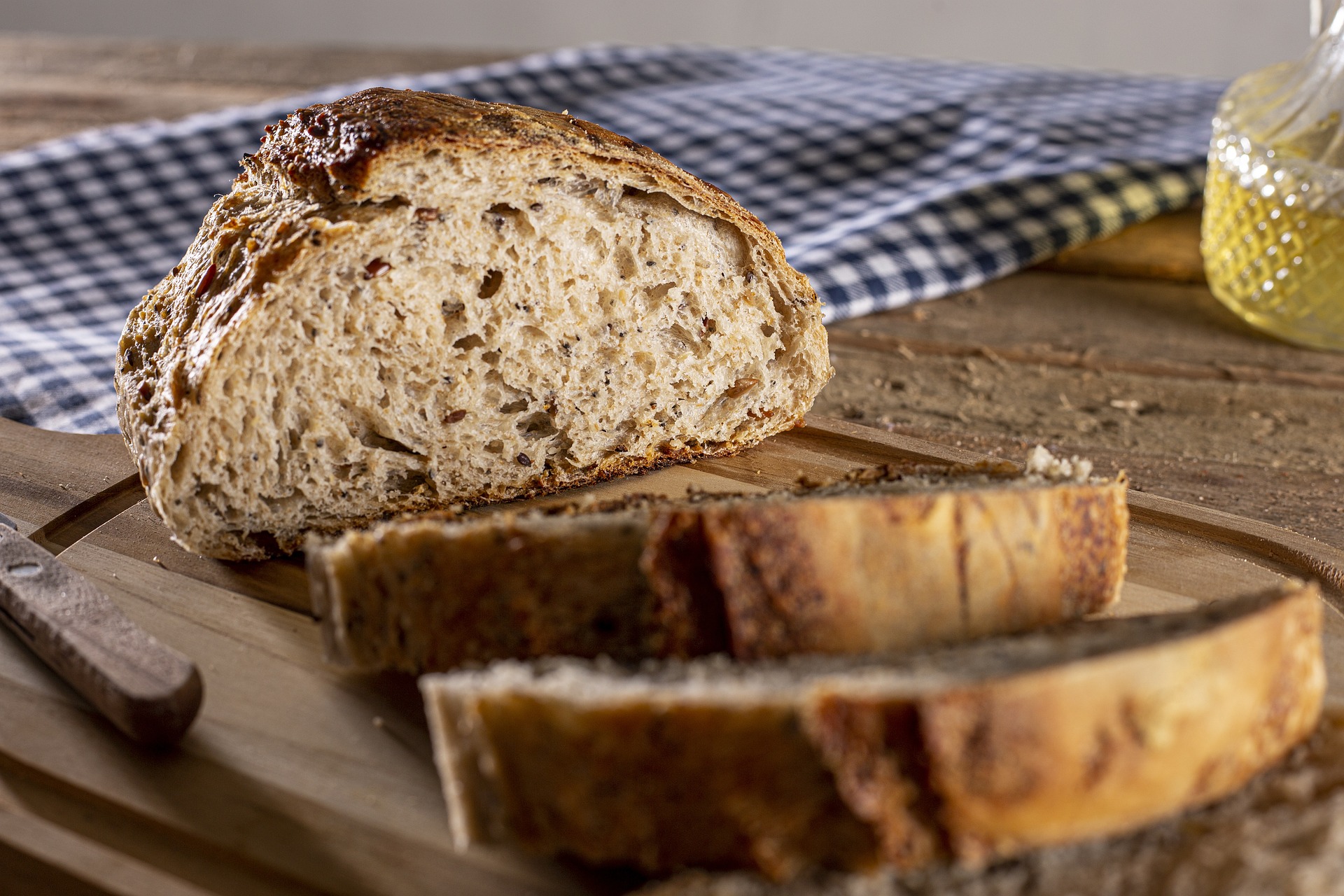
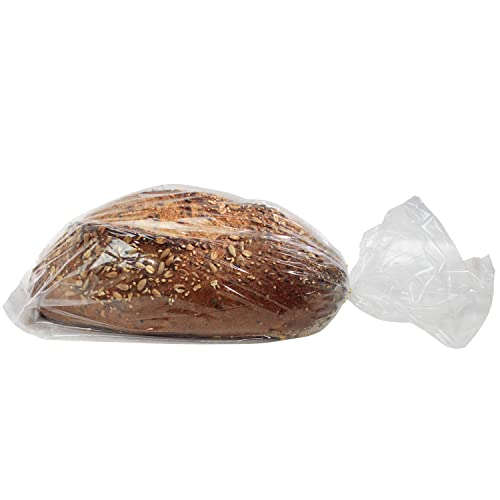
Health benefits aside, which is the MOST important one in my opinion, storage and cost come up on the convenience end of considering milling at home. The ‘whole wheat’ loaf of bread we can buy in the store is not only made of old, processed whole wheat, but by the government regulations only has to be at least 51% – or mostly whole wheat – to be labeled as such. I digress, this is also a health reason. The cost of said loaf is approximately $2.29. A home milled, fresh WHOLE GRAIN flour, loaf of bread costs me about $.75 to make and that is using all organic (a bit pricier) grains and sugar. Also, I know what is exactly in that loaf!
Storage is the other thought. Admittedly, my fresh baked loaf does NOT last as long , not due to shelf-life but that we eat it so fast (no one in the house can resist cutting into a warm loaf when they smell it), but the grains last for years! ‘Dead bagged flour’ can’t say that. Either weevils, mites or simply staleness can render a dead bag of flour useless in mere months. The Creator made a perfect protection for that grain, the husk. There have been grains found in pyramids that were over 4000 years old that when planted, they grew just as they were intended. How’s that for storage. Just keep the grains in a sturdy container and from getting wet and you can store them for years. I don’t think you will be needing them in 4000 years though.
Best Blessings!
Donna Miller
http://www.millersgrainhouse.com/store
Tip #2 to milling grains for fresh flour – measuring.

Level off at the top to measure correctly!
Measure correctly to avoid excess flour after grinding.
One of the BIGGEST reasons for grinding grains is the immediate release of all those nutrients. If you end up with a cup or more of flour just sitting there, oxidizing, dying and loosing nutrients…it not only wastes precious fresh flour – it defeats the purpose. A good rule of thumb to follow is: Grains usually produce half again as much as you put in the mill. For example: 2 cups of grain will produce approximately 3 cups of flour. Write the amount of grain next to your recipe once you have perfected it. Waste not want not!
TIPS TO REMEMBER WHEN USING FRESHLY GROUND GRAINS: #1
1. Rainy weather will have some effect on your bread rising.

The moisture gets trapped more easily in the wheat or grain that has just been ‘cracked’ by milling. It’s more susceptible to absorbing moisture than dead flour that has sat on a shelf for months. So you may need to slightly adjust the water amount in your recipe or add more gluten to the mix to get the bread to rise. I personally avoid bread on rainy days and focus on tortillas and other flat or quick breads.
EnJOY the journey!
Best Blessings!
Donna
Donna Miller is an author, teacher and entrepreneur. Her favorite roles are that of wife and mother to three home-school graduates. The Millers own and operate Millers Grain House which offers Organic and Chemical-free Whole Grains, Bosch Mixers, the NutriMill, instructional tutorials, recipes and more.
Diagnosis of gluten sensitivity…leads to home milling.

This could be either a really long post or a short and simple one. I'm not sure how it will turn out. What I mean is I could make it long, but the outcome is quite simple so it could be brief. Anyway, here goes nothing…. ?????? ????? ????
Several years ago I was diagnosed with gluten sensitivities and told to omit all gluten and wheat from my diet. Anyone who has had this diagnosis knows a couple of things: 1) the symptoms that brought the diagnosis and 2) the difficulty in giving up foods that contain gluten.
The symptoms range from bloating, intestinal issues, and shortness of breath after eating, headaches, dizziness and foggy thought process. Sometimes the symptoms included are other bowel movement problems (ranging from both extremes) and skin rashes.
The choices? Well…there aren't many…and what there are cost a bundle.
For 3 months, I purchased odd replacements for breads and went without gluten while absolutely killing our grocery budget. The truth is, the foods didn't taste of feel (texture) good and they cost a LOT more than traditional foods that contained gluten. I was growing discouraged…and felt doomed to a life of restriction. ?????? ????? ????
Then I decided that to broaden my choices, I'd make things at home. After finding that most of the 'fours' I needed were either not available or were also too high in price, I decided to try milling at home to have access to the rice and bean flours needed. Some recipes were….okay….others….downright gross……but…..I gained one really amazing bit of relief!
I decided to mill my own wheat flour. I figured after several months of doing without, it was worth a try again. Much to my surprise, with my home milled, organic flour and only 4 more simple organic ingredients, I could eat bread with NO symptoms. NONE.
This leads me to my belief that it is not the gluten that is my problem. The problem is the PROCESSING of the wheat. The stripping of the flour or adding of synthesized ‘enrichments’ or the additives to the pre-baked bread or all three were what aggravate my insides.
To this day, years later, I can eat my OWN minimal ingredient home-milled bread with no problems, but have instant issues if I eat bread bought at the store or from a restaurant. This is just one of the reasons I keep home-milling.
My diagnosis of gluten sensitivity was key in leading me to eat healthier wheat!
Best Blessings!
Donna Miller
Donna Miller is an author, teacher and entrepreneur. Her favorite roles are that of wife and mother to three home-school graduates. The Millers own and operate Millers Grain House which offers Organic and Chemical-free Whole Grains, Bosch Mixers, the NutriMill, instructional tutorials, recipes and more.
.
More Q & A's: Hard, Soft, Red, White – what wheat for what?
Greetings!
Below is a question from a dear customer who is really excited about learning the value of healthy food storage and milling at home. As I answered the question privately, my thoughts were that many people may be wondering the same thing! So, I wanted to share it with you all!
Please feel free to submit your own questions and comments about eating, and using whole grains.
——————————————————————————–
QUESTION: ???? ????? ? ???????? ?????????
Hello, Please tell me if white wheat is the same as soft white wheat? I'm trying to clarify the difference and its use. Is white wheat use to make white flour and soft wheat for pastry flour? Thanks, "D"
——————————————————————————–
ANSWER:
To help you clarify, let's first talk about the color:
The color has nothing to do with the usage of the wheat – it only affects the taste and potentially the amount of niacin (which is not too lacking in most diets). Red wheats have a tiny bit higher niacin (a B vitamin) than white wheats, but that is about the only difference (based on color). They (reds) do have a more nutty flavor (almost bitter wheaty in my opinion) than white wheats.
??????? ???? ????? ????????????
Bagged flour is often bleached either by natural or chemical bleaching and the husk has been taken out (along with the germ, etc) thus the 'whiteness'.
White wheat when milled whole will not produce 'white' flour (like bagged flour white) because it is natural. It will be a very light golden color. It will bake to a golden yellow/brown color. It is the best transition grain (in my opinion) for those who are used to white loaf bread from the store. It is mild in flavor and aroma.
Red wheat when milled will be the more traditional 'whole wheat' color of a light brown. It will bake to a dark brown. It is stronger in flavor and aroma.
Again, color is not the determining factor of use, but will affect the taste. So it is taste and aesthetics (look) that determine what color you choose, what you want to use it for is a deciding factor in the type not color.
Now on to the type – hard or soft wheat:
This does affect the usage of the grain.
Soft wheats (regardless of color) have much less gluten thus are not as 'spongy' when used. They will not make very good loaf bread. Combine the soft wheat flours with hard for very good & fluffy muffins, pancakes, pie crusts, cookies (cookies can be all hard wheat too though) and more that does not require a 'rise' or elastic dough feeling.
Soft wheats are used as a pastry four, but in my experience are hardly ever used exclusively alone (often combined with hard wheat) except in cakes (to which you must also sift the flour to remove some of the bran for a real cake like consistency). Cake flour alone is best as only soft wheat.
Hard wheats (regardless of color) are the grains that make the most all purpose flour. The hard wheat contains the most gluten (which is a protein) that helps the bubbles hold together in a loaf of bread. Gluten helps to give the spongy effect. If used in other recipes like muffins etc, it can result in a tough muffin if over mixed (mixing/kneading helps gluten form the bubble pockets).
So to sum up – color is a choice for taste and look, while hard or soft is a choice for type of recipe.
I hope this made sense, if not, just keep on asking! (o:
It's a joy to help others learn this!!
Have a wonderful day!
–
Best Blessings!
Millers Grain House
Donna Miller, Owner
Deut 28:5 -
"A blessing upon your grain-basket and kneading-bowl." ???? ? ???????? ????? ???????? ?????????
Thank you for allowing us to be of service.
Feel free to either email or call our office directly:
336.921.2333 9-5 Mon-Thur, 9-4 Fri (Closed Sat/Sun) Eastern Time
Millers Grain House Store
http://www.millersgrainhouse.com/store
?????? ??????? ??????? ??????? ????? ??? ??????? ???? ??????????? ???? ?? ?????????
Saving Food $ Video Channel
http://www.youtube.com/user/thewheatguy
Supreme Bread Machine Cookbook Paperback
http://millersgrainhouse.com/store/index.php?main_page=product_info&cPath=11&products_id=51
Supreme Bread Machine E-Cookbook with Videos
http://www.grainmiller.com/supreme.html