
Why do I mill grains at home? Part #2

6.5 Gallon Pail on Sale NOW

If you already read Part One of this tip, then you may or may not have peaked the curiosity of former nay-sayers. You may still need more explanation for why you are thinking of or currently milling at home. After all, inquiring minds want to know.

The second tip to answering the questions of why you bother to mill at home is the benefits of cost and storage. Sure, we can buy ‘whole wheat bread’ at the store. Sure, ‘dead bagged flour’ lasts for a good while. Are these reasons to dismiss home milling all together? Hardly! In fact, look closer and you can see why milling at home is better.

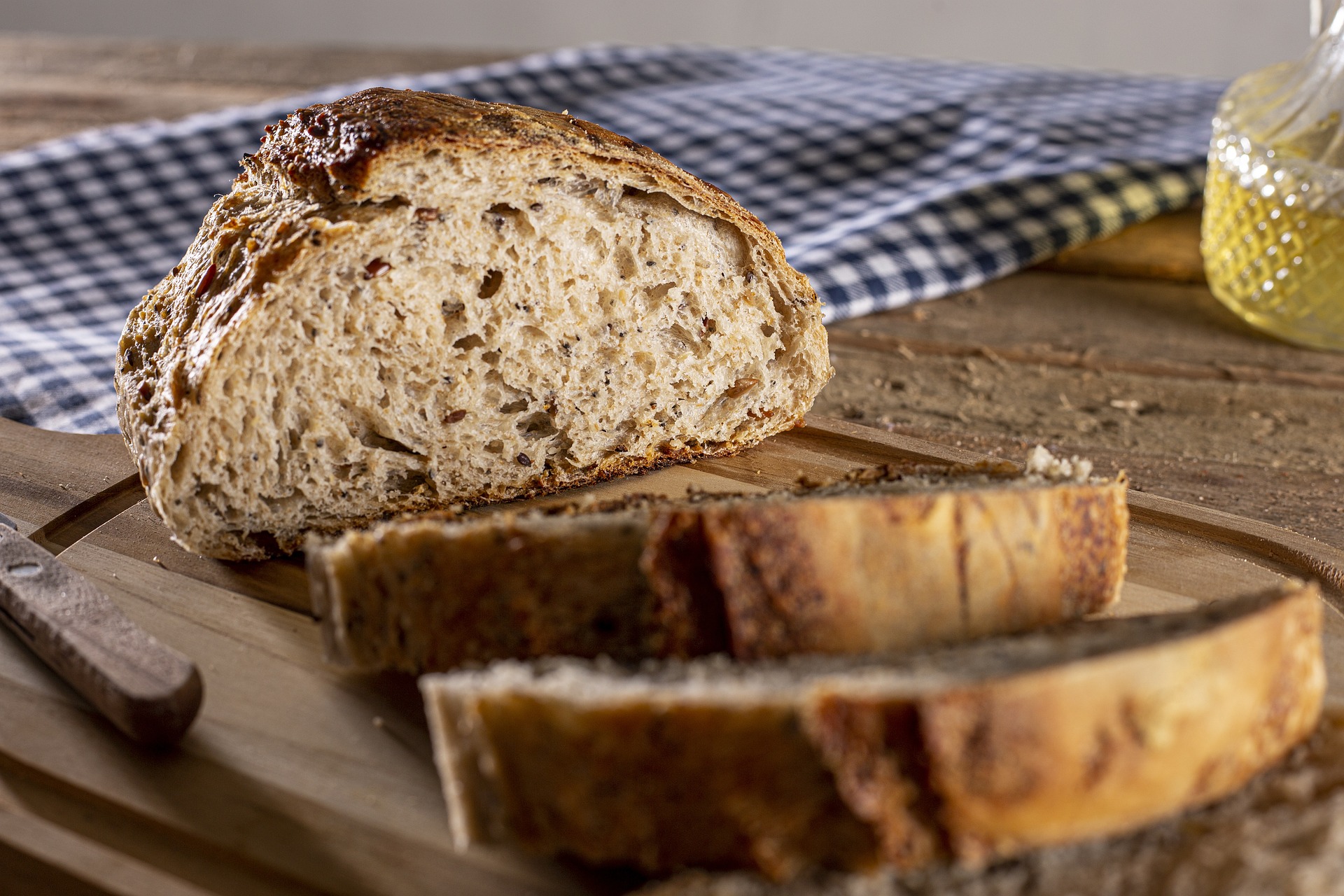
Health benefits aside, which is the MOST important one in my opinion, storage and cost come up on the convenience end of considering milling at home. The ‘whole wheat’ loaf of bread we can buy in the store is not only made of old, processed whole wheat, but by the government regulations only has to be at least 51% – or mostly whole wheat – to be labeled as such. I digress, this is also a health reason. The cost of said loaf is approximately $2.29. A home milled, fresh WHOLE GRAIN flour, loaf of bread costs me about $.75 to make and that is using all organic (a bit pricier) grains and sugar. Also, I know what is exactly in that loaf!

Storage is the other thought. Admittedly, my fresh baked loaf does NOT last as long , not due to shelf-life but that we eat it so fast (no one in the house can resist cutting into a warm loaf when they smell it), but the grains last for years! ‘Dead bagged flour’ can’t say that. Either weevils, mites or simply staleness can render a dead bag of flour useless in mere months. The Creator made a perfect protection for that grain, the husk. There have been grains found in pyramids that were over 4000 years old that when planted, they grew just as they were intended. How’s that for storage. Just keep the grains in a sturdy container and from getting wet and you can store them for years. I don’t think you will be needing them in 4000 years though.

Best Blessings!
Donna Miller
http://www.millersgrainhouse.com/store

Why do I mill at home? – Part 1

Okay, I will be the first to admit it, I was not raised to be a domestic person. When I first heard of milling grain at home I was puzzled and thought it was a far fetched idea, time consuming and a big mess. It didn’t take me long to see how wrong I was.

One tip to answering those questions of ‘You do what?’ and ‘Why bother?’ is to know the two biggest benefits of milling at home. First are the health benefits and second are the storage/cost effect benefits. In this tip we will focus on the health reasons.

When grains are processed into flour for shelf storage, most of the grain ‘parts’ are removed to slow the spoilage time. When those things are removed, the flour is stripped of the Wheat Bran, Middlings, Wheat Germ and Wheat Germ oil. As we read that list – we see at least three things that are now sold in health food stores across the world. The Bran and Middlings provide the fiber (and more), the Germ and oil provide the vitamin E (and more), two things missing in the typical diet of the twentieth century.

The additives to ‘dead bagged flour’ can be just as bad or worse than what is missing. To make that white appearance, at first the manufacturers were actually using chlorine bleach! Now a new chemical has been approved., but chemicals are chemicals and not found IN the grain. Since the grain is stripped of so many nutrients in the processing – synthetic vitamins have been added. Personally, since I wouldn’t eat polyester, I also don’t want synthetic vitamins.

This is simply the tip of the health iceberg when it comes to the reason to mill grains at home. The list related to your families health goes on and on. Check out some of our other articles and studies for the healthy reasons to bother with milling at home. At least this is a tip to help you answer those questions when friends and family think you’ve slipped back into the dark ages.

Want more? Watch this vidoe:

Best Blessings!
Donna Miller, Owner of MILLERS GRAIN HOUSE

.

TIP #3: Hard, Soft, Red or White – Easy differences.

The Wonder Mill

The Wonder Mill

Freshly ground whole wheat is wonderful! But not all recipes work the same with one type of wheat.

Here is a breakdown of wheat types and which recipe to use them:

~ HARD wheat is best for breads and items that require high rising.
~ SOFT wheat is best for pastries and flat breads such as pancakes, tortillas and biscuits.
~ Both types can be mixed equally to make a light texture for all purpose flour.

Color effects the flavor of the flour not the consistancy:

~ REDS will have a more 'nutty' (to me it's almost a bitter) flavor.
~ WHITES are usually just lighter tan or almost golden and have a smoother taste.
~ Both can be mixed equally to make a deliciously light bread without a bitter result.

Muffins, pancakes, cookies and biscuits can all be made from blending types and colors.
Loaf breads have the best result by using a HARD (either color) type only. It contains the most gluten for the rise of yeast bread.

Happy Milling!!
Best Blessings,
Donna Miller, Owner of MILLERS GRAIN HOUSE

Tip #2 to milling grains for fresh flour – measuring.

Level off at the top to measure correctly!

Level off at the top to measure correctly!

Measure correctly to avoid excess flour after grinding.

One of the BIGGEST reasons for grinding grains is the immediate release of all those nutrients. If you end up with a cup or more of flour just sitting there, oxidizing, dying and loosing nutrients…it not only wastes precious fresh flour – it defeats the purpose. A good rule of thumb to follow is: Grains usually produce half again as much as you put in the mill. For example: 2 cups of grain will produce approximately 3 cups of flour. Write the amount of grain next to your recipe once you have perfected it. Waste not want not!

TIPS TO REMEMBER WHEN USING FRESHLY GROUND GRAINS: #1

1. Rainy weather will have some effect on your bread rising.

Rain

The moisture gets trapped more easily in the wheat or grain that has just been ‘cracked’ by milling. It’s more susceptible to absorbing moisture than dead flour that has sat on a shelf for months. So you may need to slightly adjust the water amount in your recipe or add more gluten to the mix to get the bread to rise. I personally avoid bread on rainy days and focus on tortillas and other flat or quick breads.

EnJOY the journey!
Best Blessings!
Donna

Donna Miller is an author, teacher and entrepreneur. Her favorite roles are that of wife and mother to three home-school graduates. The Millers own and operate Millers Grain House which offers Organic and Chemical-free Whole Grains, Bosch Mixers, the NutriMill, instructional tutorials, recipes and more.

Savings on Grains and Supplies


OTHER VIDEOS...

Whole Wheat Pizza Crust Part-1

Whole Wheat Pizza Crust Part-2

Whole Wheat Pizza Crust Part-4


Organic Grain at LOW Co-op Prices

We are now offering Organic Whole Wheat, Spelt, Oats, Rice and Beans to the public at wholesale prices. 

We ship fresh "organically grown" whole grain right to your kitchen. We also offer electric and manual wheat mills and grain grinders for those who are interested in milling your wheat.

Join our e-mail list, and receive instant notification when we are offering specials, or get new items in. 

We will also send you some of our favorite fresh grain recipes and training tips for you to try.


Email:
Name:
  • Untitled
    Donna Miller is a fan of Millers Grain House Create your Fan Badge addthis_url = 'http%3A%2F%2Fwww.grainstorehouse.com%2F%3Fp%3D339'; addthis_title = ''; addthis_pub = ''; […]
  • Your RED Book – Step 1: First Contact
    The very first thing that most families in the USA did when the attack on 9-11 happened was to contact each other. Phone lines were jammed. Information was bottle-necked. Planes were grounded and many were frustrated at trying to contact others in their families. Our kids were younger, and we were outside playing when it all [...] […]
  • Real Emergency Directions – Your RED book
    Some people say they think clearer in a real emergency. Others are overwhelmed and do more than needed. Still others are frozen by fear and do little to nothing in a real emergency situation. I’ve been in them before and handled them calmly, fine and thought I had done okay. Occasionally looking back, I only *thought* [...] […]
  • Food Storage Method #7: Freezing Grain and Flour First
    Freezing grain and four first is not a ‘cure all’ for future bug infestation, but if you have good, food grade storage pails and would like to take extra measures jut to be more sure, then freezing is a great option to add to the security of your dry food stock. If your grain buckets are stored [...] […]
Milling Grains Radio Show
Get Adobe Flash playerPlugin by wpburn.com wordpress themes