
Archive for the ‘Question and answers’ Category
Play with your food. Break some rules!
We can search the web, go get a million recipe books, follow around a world class chef and huddle on to Mama's apron strings but one thing that will remain a rule in baking and cooking is: Break some rules! Play with your food!

Play with your food!
Sure there are some hard and fast ones like: Yeast breads need yeast. Too much salt is pretty gross. But for many 'rules' there are acceptations.
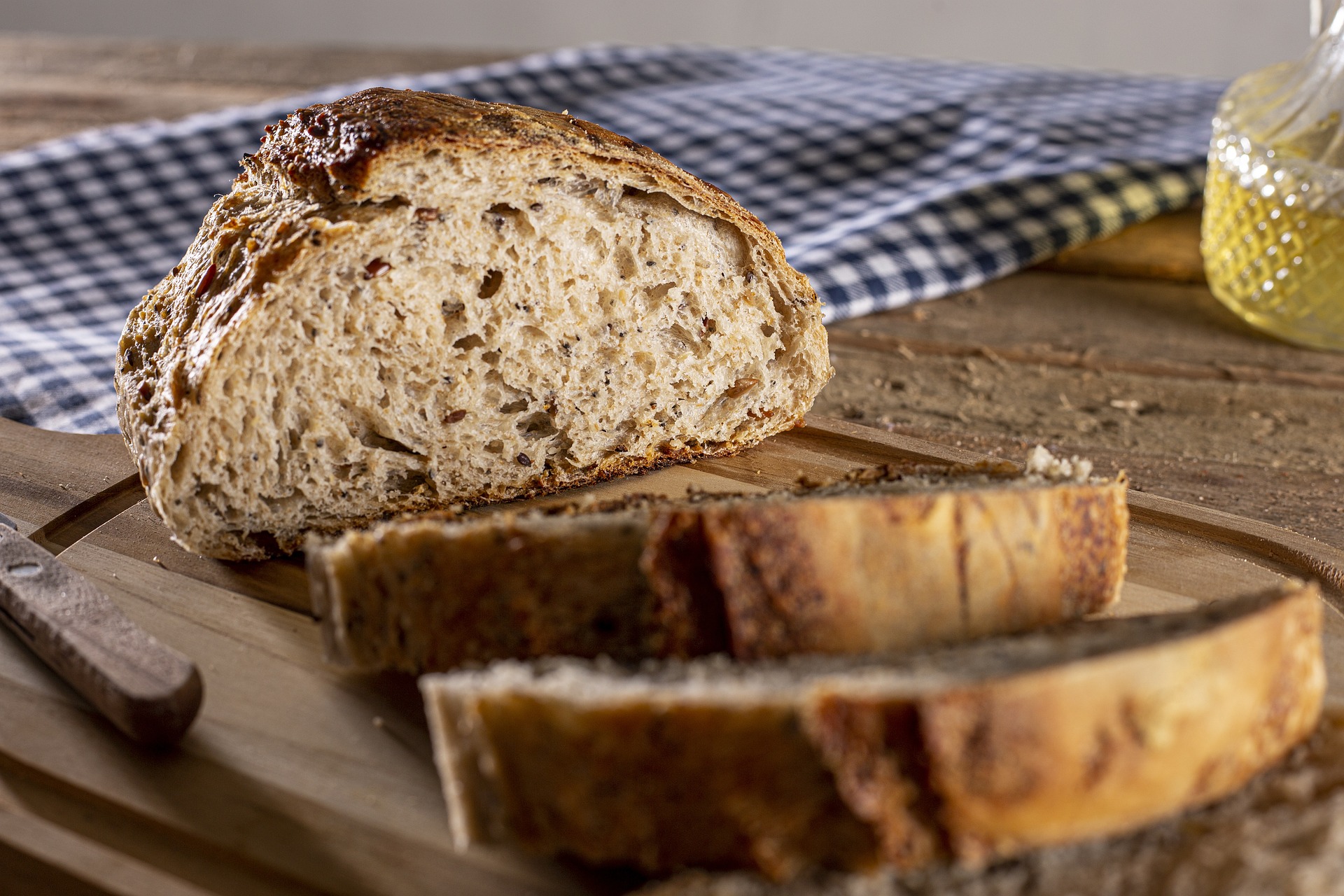
Take things like altitude and humidity into consideration. A loaf of bread baked at 3500 feet above sea level will not be the same as one baked AT sea level. Tweak a recipe.
Most recipes are written for sea level and adjusted for differing altitudes. Don't let that keep you in a box though, break out of the rules of recipes and tweak. Just keep good notes (that's my downfall, I often play but forget what I did when it worked!).
Have fun. Learn by playing with your food.
Just be prepared to be VERY creative if it doesn't work out and not waste it by tossing it in the trash.
Best Blessings and enJOY learning more!
Donna
Why do I mill grains at home? Part #2
If you already read Part One of this tip, then you may or may not have peaked the curiosity of former nay-sayers. You may still need more explanation for why you are thinking of or currently milling at home. After all, inquiring minds want to know.
The second tip to answering the questions of why you bother to mill at home is the benefits of cost and storage. Sure, we can buy ‘whole wheat bread’ at the store. Sure, ‘dead bagged flour’ lasts for a good while. Are these reasons to dismiss home milling all together? Hardly! In fact, look closer and you can see why milling at home is better.
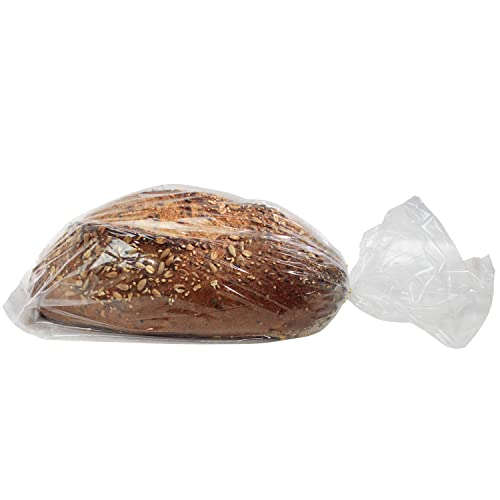
Health benefits aside, which is the MOST important one in my opinion, storage and cost come up on the convenience end of considering milling at home. The ‘whole wheat’ loaf of bread we can buy in the store is not only made of old, processed whole wheat, but by the government regulations only has to be at least 51% – or mostly whole wheat – to be labeled as such. I digress, this is also a health reason. The cost of said loaf is approximately $2.29. A home milled, fresh WHOLE GRAIN flour, loaf of bread costs me about $.75 to make and that is using all organic (a bit pricier) grains and sugar. Also, I know what is exactly in that loaf!
Storage is the other thought. Admittedly, my fresh baked loaf does NOT last as long , not due to shelf-life but that we eat it so fast (no one in the house can resist cutting into a warm loaf when they smell it), but the grains last for years! ‘Dead bagged flour’ can’t say that. Either weevils, mites or simply staleness can render a dead bag of flour useless in mere months. The Creator made a perfect protection for that grain, the husk. There have been grains found in pyramids that were over 4000 years old that when planted, they grew just as they were intended. How’s that for storage. Just keep the grains in a sturdy container and from getting wet and you can store them for years. I don’t think you will be needing them in 4000 years though.
Best Blessings!
Donna Miller
http://www.millersgrainhouse.com/store
TIP #3: Hard, Soft, Red or White – Easy differences.
Here is a breakdown of wheat types and which recipe to use them:
~ HARD wheat is best for breads and items that require high rising.
~ SOFT wheat is best for pastries and flat breads such as pancakes, tortillas and biscuits.
~ Both types can be mixed equally to make a light texture for all purpose flour.
Color effects the flavor of the flour not the consistancy:
~ REDS will have a more 'nutty' (to me it's almost a bitter) flavor.
~ WHITES are usually just lighter tan or almost golden and have a smoother taste.
~ Both can be mixed equally to make a deliciously light bread without a bitter result.
Muffins, pancakes, cookies and biscuits can all be made from blending types and colors.
Loaf breads have the best result by using a HARD (either color) type only. It contains the most gluten for the rise of yeast bread.
Happy Milling!!
Best Blessings,
Donna Miller, Owner of MILLERS GRAIN HOUSE
Tip #2 to milling grains for fresh flour – measuring.

Level off at the top to measure correctly!
Measure correctly to avoid excess flour after grinding.
One of the BIGGEST reasons for grinding grains is the immediate release of all those nutrients. If you end up with a cup or more of flour just sitting there, oxidizing, dying and loosing nutrients…it not only wastes precious fresh flour – it defeats the purpose. A good rule of thumb to follow is: Grains usually produce half again as much as you put in the mill. For example: 2 cups of grain will produce approximately 3 cups of flour. Write the amount of grain next to your recipe once you have perfected it. Waste not want not!
The Next Call-in Radio Show
HEY!!! An invitation!

Come listen in or call in to my new Radio Show!
HOME MILLING FOR HEALTH & BUDGET
Is home milling really more healthy and better on the budget? As a 'cheap health nut' I've done the math and the research and the answer is YES. Find out more on the call….
THURS ~ OCT 15 AT 6:00pm EST
Listen Live Online for FREE, ask chat questions for FREE or call in and ask questions over the phone! Call-in Number: (347) 934-0317
Hope you stop by!
Best Blessings!
Donna Miller